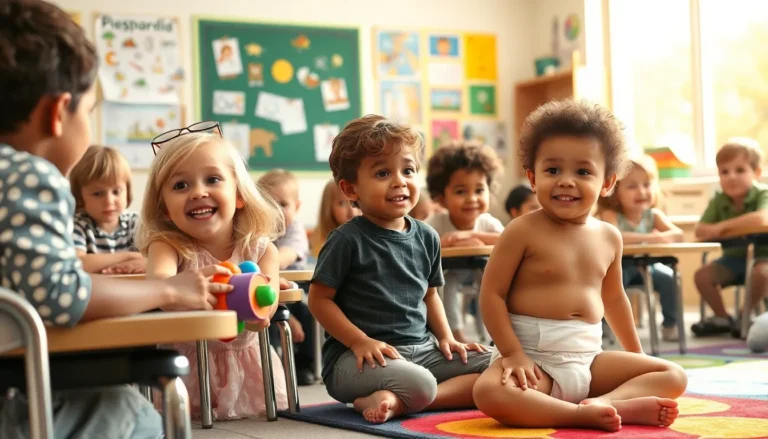
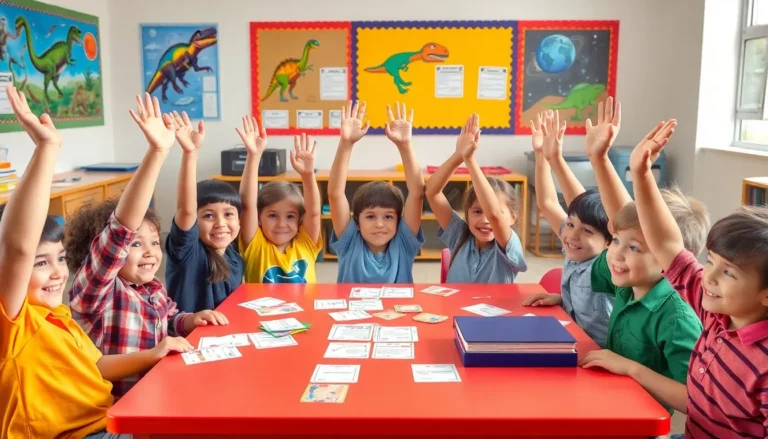
Elementary students are a unique breed, brimming with curiosity and energy that could power a small city. Their laughter echoes through hallways, and their endless questions keep teachers on their toes. From mastering the art of the perfect lunchbox trade to navigating the complexities of friendship, these young learners are on a wild adventure filled with discovery.
Understanding Elementary Students
Elementary students exhibit distinct characteristics that shape their learning experiences. These young learners are often brimming with curiosity, eagerly exploring the world around them. Their natural tendency to ask questions encourages teachers to adapt lessons and foster deeper understanding.
Friendships play a significant role in elementary students’ lives. They navigate social dynamics, forming bonds that often include trading lunch items or sharing toys. Such interactions help develop their social skills and emotional intelligence.
Academic engagement becomes a crucial aspect of their development. Students respond well to hands-on activities, as these methods capture their attention and make learning enjoyable. Visual aids, group projects, and interactive lessons enhance information retention and understanding.
Lastly, the influence of family cannot be underestimated. Family backgrounds often shape any student’s educational journey, with varying levels of support impacting how children perform in school. Effective parental involvement strengthens relationships between home and school, setting the stage for academic success.
Elementary students’ journeys consist of exploration, discovery, and personal growth. Their vibrant personalities and unique experiences enrich the classroom, creating a dynamic learning environment where both students and teachers thrive.
Developmental Stages

Elementary students progress through various developmental stages that shape their learning experiences. These stages significantly impact their cognitive and social abilities.
Cognitive Development
Cognitive development in elementary students includes rapid advances in thinking, problem-solving, and understanding. Children between ages 6 and 12 develop concrete operational thinking, allowing them to grasp concepts more easily. They begin to think logically about concrete events but struggle with abstract concepts. Learning becomes enhanced through exploration, as students actively engage in hands-on activities. Curiosity drives them to ask questions, facilitating deeper understanding. Teachers often tailor lessons to accommodate varied cognitive levels, encouraging participation and fulfilling each student’s unique learning needs. This adaptation supports more effective knowledge retention and application.
Social Development
Social development is crucial for elementary students, as friendships become a significant focus. Children learn to navigate complex social dynamics, which fosters emotional intelligence and communication skills. Between ages 6 and 12, peer interactions help shape their identities and encourage collaboration. Students often engage in group activities, promoting teamwork and responsibility. Through these experiences, they gain conflict resolution skills, learning to manage disagreements constructively. Teachers support this social growth by creating positive classroom environments that celebrate diversity and inclusion. Parental involvement also plays a vital role, as students mirror social behaviors observed at home.
Educational Needs of Elementary Students
Elementary students thrive in various educational environments that cater to their unique needs. Meeting these needs requires understanding their preferred learning styles and the classroom setting that fosters engagement.
Learning Styles
Learning styles vary significantly among elementary students. Some learn best through visual aids like charts or videos, while others prefer auditory methods, such as storytelling or discussions. Kinesthetic learners benefit from hands-on activities that involve movement and manipulation of materials. Teachers can enhance engagement by incorporating diverse instructional strategies in their lesson plans. Adapting lessons to include a mix of visual, auditory, and kinesthetic elements promotes a deeper understanding of the content. Individualized approaches recognize students’ varying strengths, ensuring that each child has the opportunity to excel academically.
Classroom Environment
A positive classroom environment is essential for elementary students. Students flourish in spaces that are welcoming, organized, and supportive. Teachers should emphasize collaboration and encourage peer interactions, helping students build social skills and emotional intelligence. Flexible seating arrangements can foster a sense of ownership and comfort, allowing students to choose where they work best. Incorporating colorful decorations and student work can also enhance the atmosphere, creating a lively and engaging space. Celebrating diversity through inclusive practices contributes to a respectful and understanding classroom. An inviting environment promotes enthusiasm for learning and enhances overall academic performance.
Challenges Faced by Elementary Students
Elementary students encounter various challenges that shape their experiences in school. Understanding these obstacles is crucial for fostering their development.
Academic Pressure
Academic pressure manifests through expectations from teachers and parents. Students frequently face a demanding curriculum that emphasizes grades and standardized testing. This situation can cause stress and anxiety, impacting their overall performance. A focus on achievement might overshadow the joy of learning, leading to disengagement. Furthermore, the struggle to keep up with peers may occasionally hinder a student’s confidence. A balanced approach, integrating fun with learning, alleviates some academic stress. When educators provide tailored support, students usually feel more secure in their abilities.
Social Interactions
Navigating social interactions presents another challenge for elementary students. Friendships play a critical role in their development, yet conflicts often arise. Peer pressure and the desire for acceptance can create stress and confusion. Additionally, developing communication skills is essential, as some students may find expressing their feelings difficult. Teachers can facilitate social skill development through group activities and guided discussions. Through these efforts, students typically learn to handle conflicts and forge new friendships. A supportive environment encourages open dialogue, enhancing social skills crucial for their future relationships.
Supporting Elementary Students
Supporting elementary students involves collaboration from teachers and parents. Both play crucial roles in fostering a positive learning environment.
Teacher Involvement
Teachers significantly influence students’ academic engagement and emotional growth. They encourage exploration through hands-on activities, allowing students to grasp complex concepts effectively. Creating a positive classroom atmosphere enhances students’ willingness to participate. By tailoring lessons for various learning styles, educators meet the needs of diverse learners. Regular feedback helps students track their progress, reinforcing their self-esteem and motivation. Building strong relationships also fosters trust, making students feel secure in their classroom environment.
Parental Support
Parental support greatly impacts students’ educational journeys. Involved parents contribute to their children’s academic success by fostering a love for learning at home. They can create structured study times that complement classroom learning. Communication with teachers further enhances this partnership, allowing parents to stay informed about their child’s progress. Offering encouragement during homework ensures students remain motivated and engaged. Celebrating achievements, both big and small, builds confidence, promoting a positive attitude towards school. Through these efforts, parents help their children navigate the challenges of elementary education.
Conclusion
Elementary students embody a unique blend of curiosity and energy that shapes their educational journey. Their experiences in the classroom and beyond foster essential social skills and emotional intelligence. As they navigate friendships and academic challenges, the support from teachers and parents plays a pivotal role in their development.
Creating a positive and engaging learning environment can significantly enhance their growth. By understanding their individual learning styles and encouraging exploration, educators can inspire a lifelong love for learning. Ultimately, the journey of elementary students is one of discovery filled with opportunities for growth and connection.